The Complete Collection & Life Timeline
Frédéric Chopin
Journey through the life and masterpieces of the poetic genius of the piano. Discover the stories behind the music that defined the Romantic era.
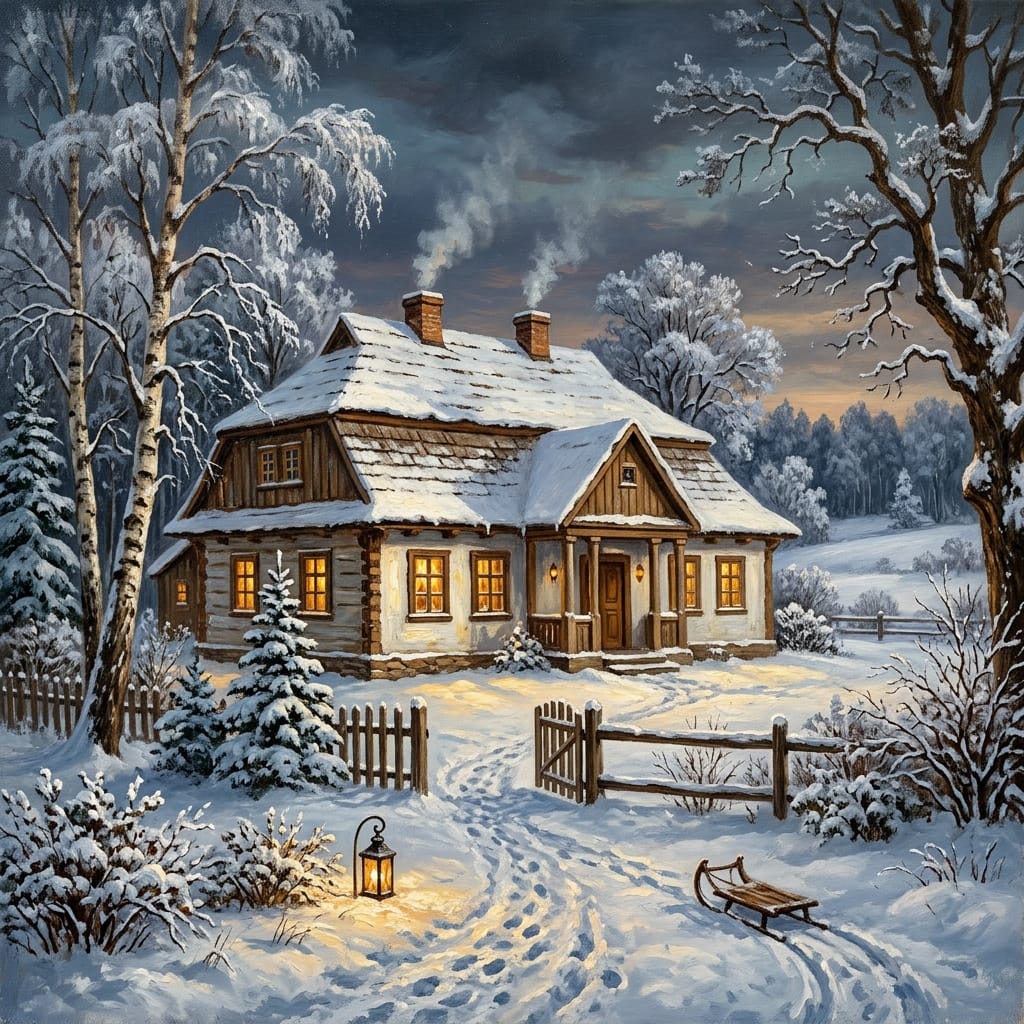
Born in Żelazowa Wola, Poland, in 1810, Frédéric Chopin was immersed in music from birth. His mother played piano and his father played the flute and violin. He quickly absorbed the traditional folk melodies of the Polish countryside, which would heavily influence his later compositions.
From this period
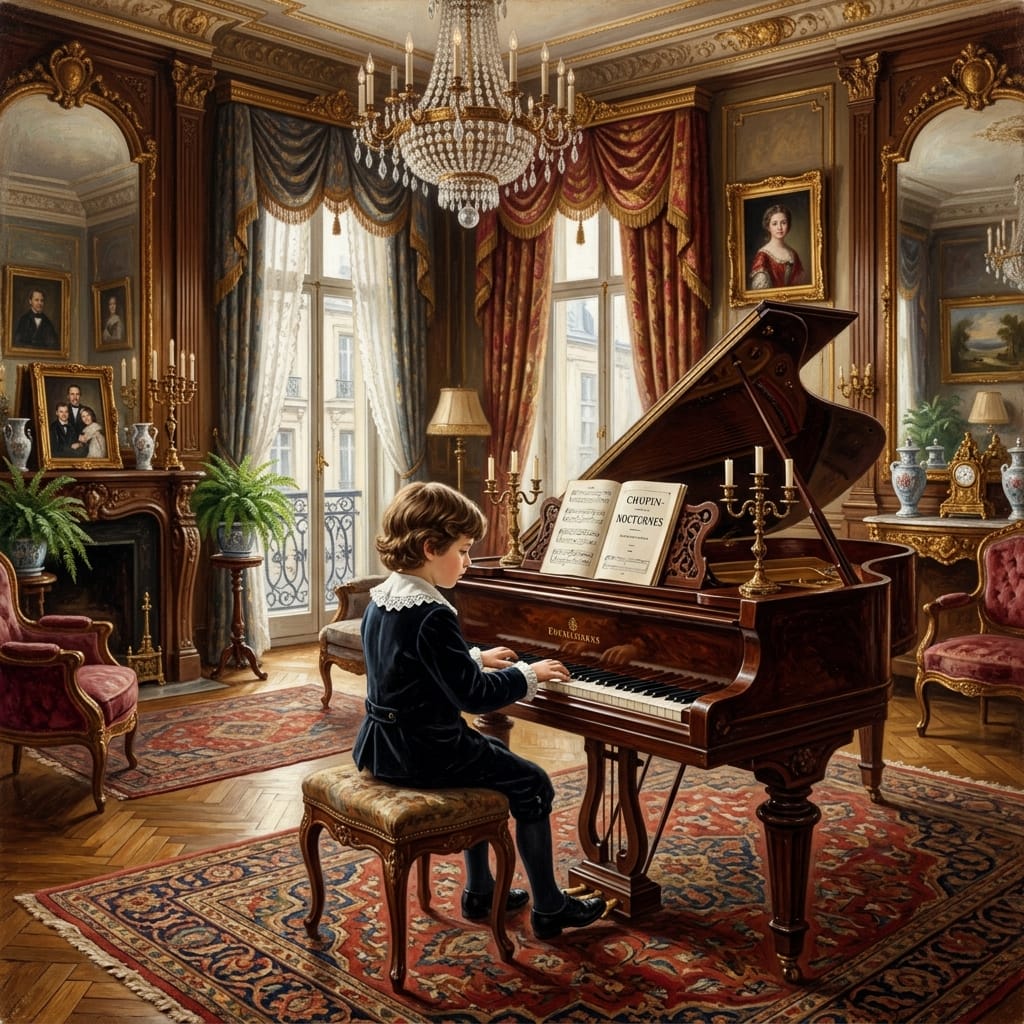
Frédéric Chopin composed his Polonaise in G Minor at the age of seven, marking the beginning of his career as a child prodigy. This early work demonstrated his natural affinity for the polonaise, a traditional Polish dance that would remain a central theme throughout his life as he expressed his national pride through music.
From this period
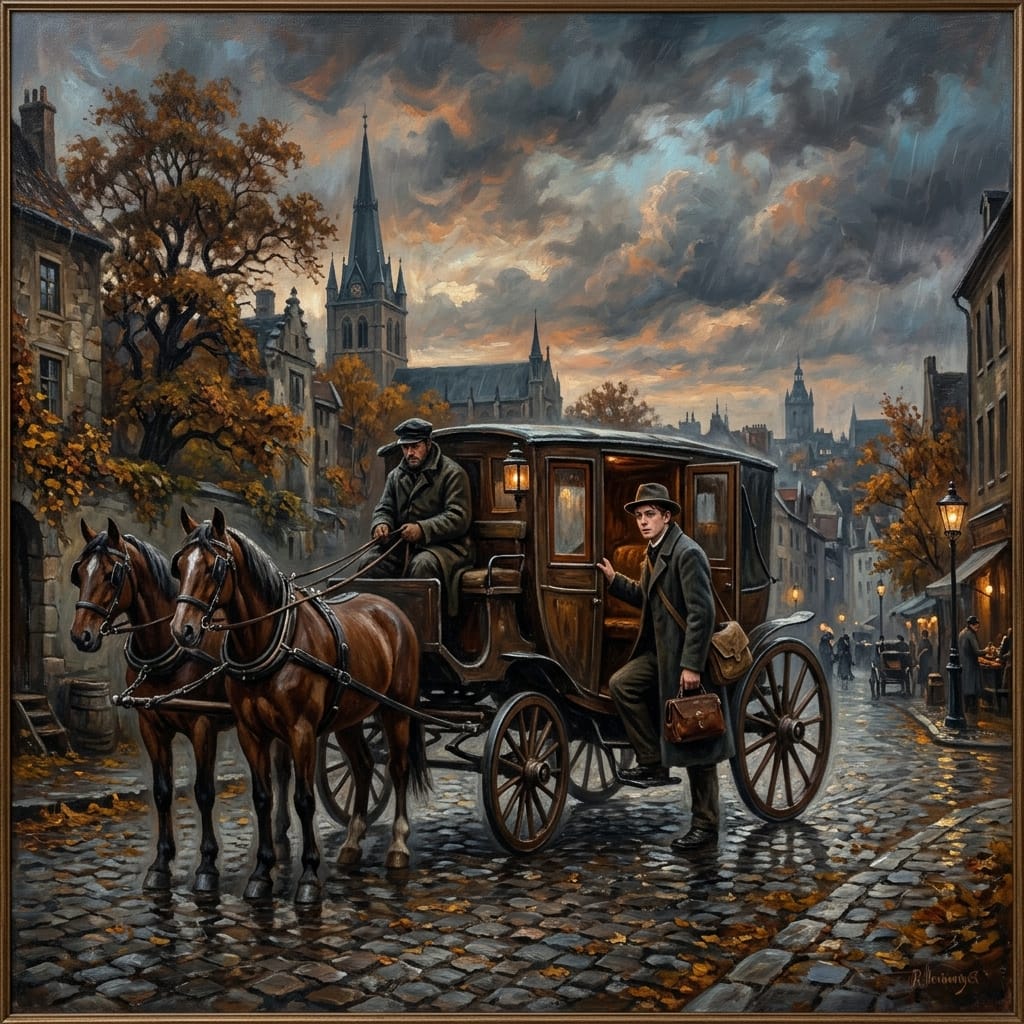
In November 1830, a 20-year-old Chopin departed Warsaw, intending to tour Europe. Shortly after he left, the November Uprising broke out in Poland against the Russian Empire. Due to the political turmoil, Chopin would never see his homeland again, a heartbreak that defined his life in exile.
From this period
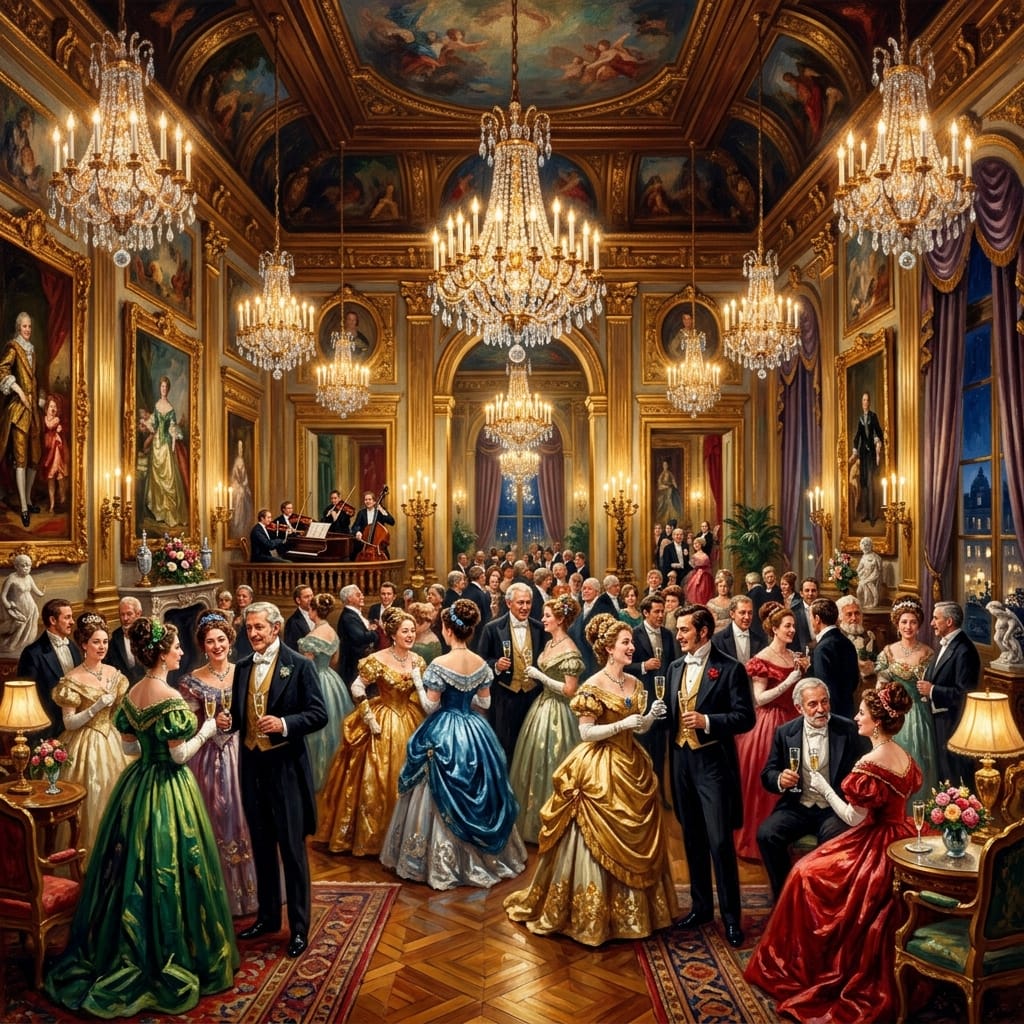
Arriving in Paris in 1831, Chopin found himself at the cultural epicenter of Europe. He quickly befriended other artistic giants like Franz Liszt and Eugene Delacroix. Rather than performing in large public concerts, he preferred playing in the intimate, elite Parisian salons, where he quickly became a highly sought-after piano teacher.
From this period
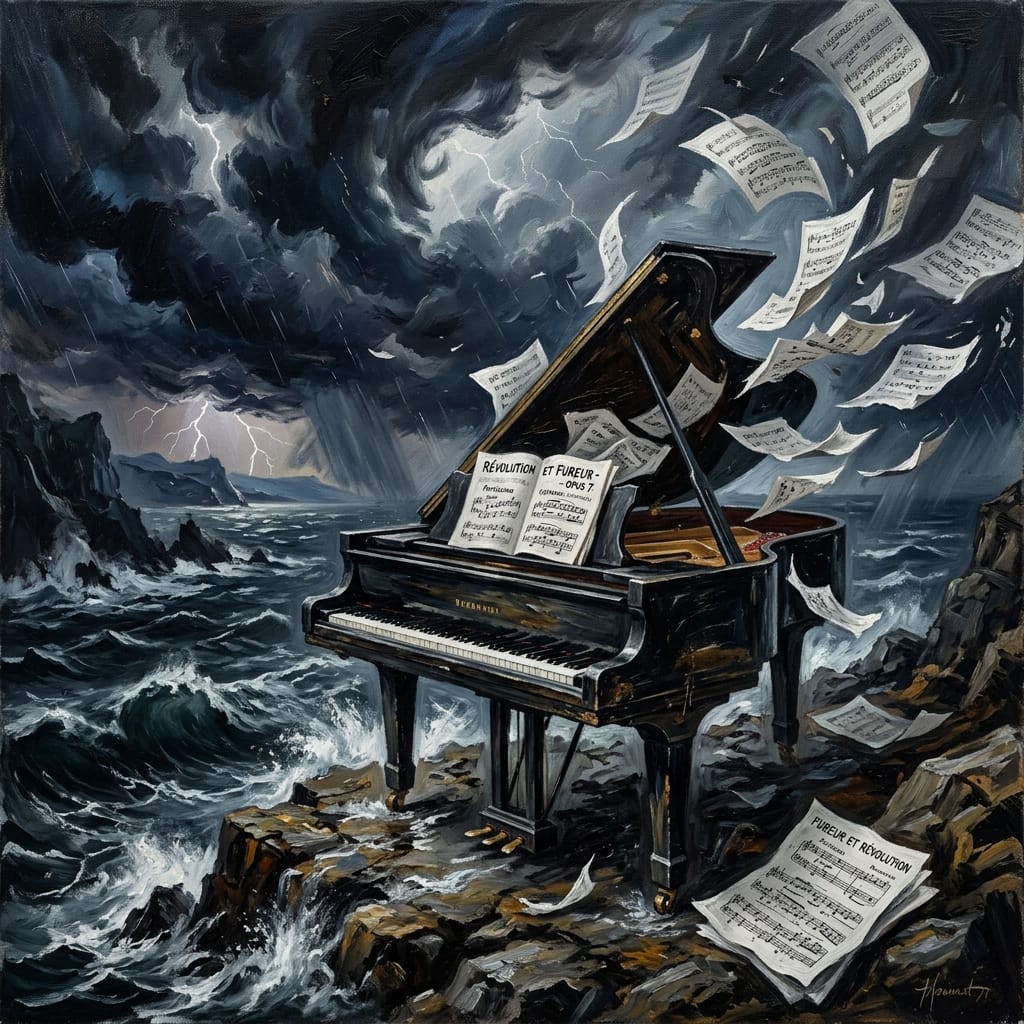
In 1831, Chopin was in Stuttgart when he learned that Warsaw had fallen to Russian forces during the November Uprising. Unable to return home, he poured his grief and fury into the 'Revolutionary' Étude. The piece transforms a technical piano exercise into a profound, dramatic emotional statement.
From this period

Chopin's Nocturne in E-flat Major is arguably his most famous work. Written in his early twenties, it features a beautiful, flowing melody that is highly expressive. It perfectly captures the essence of the 'Nocturne'—a piece inspired by, or evocative of, the night.
From this period

Despite being one of his most famous pieces today, Chopin never published the Fantaisie-Impromptu during his lifetime. The fast, swirling right hand against the slower left hand creates a magical, turbulent sound that requires immense coordination.
From this period
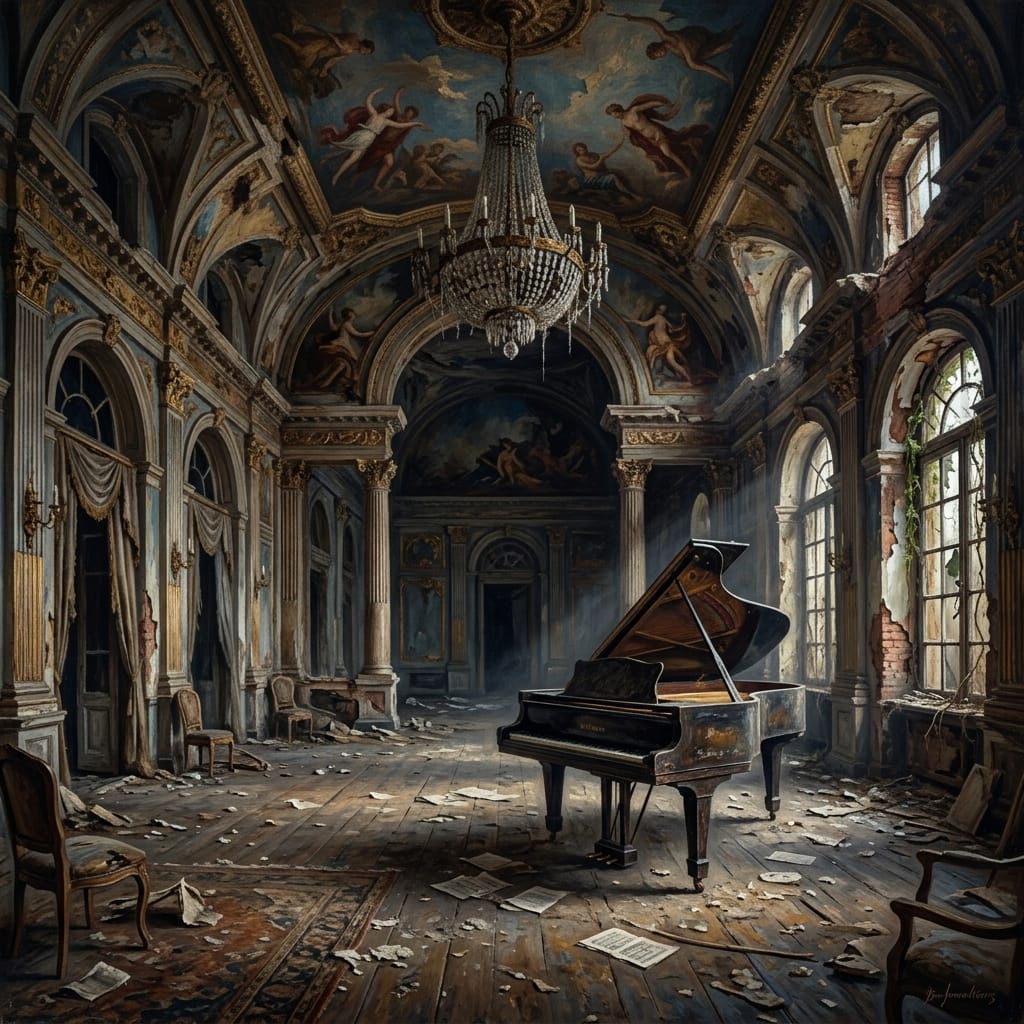
Chopin is credited with creating the instrumental ballade as a genre. Ballade No. 1 is an epic, dramatic piece that unfolds like a narrative poem without words. It shifts from quiet sorrow to explosive, passionate outbursts.
From this period
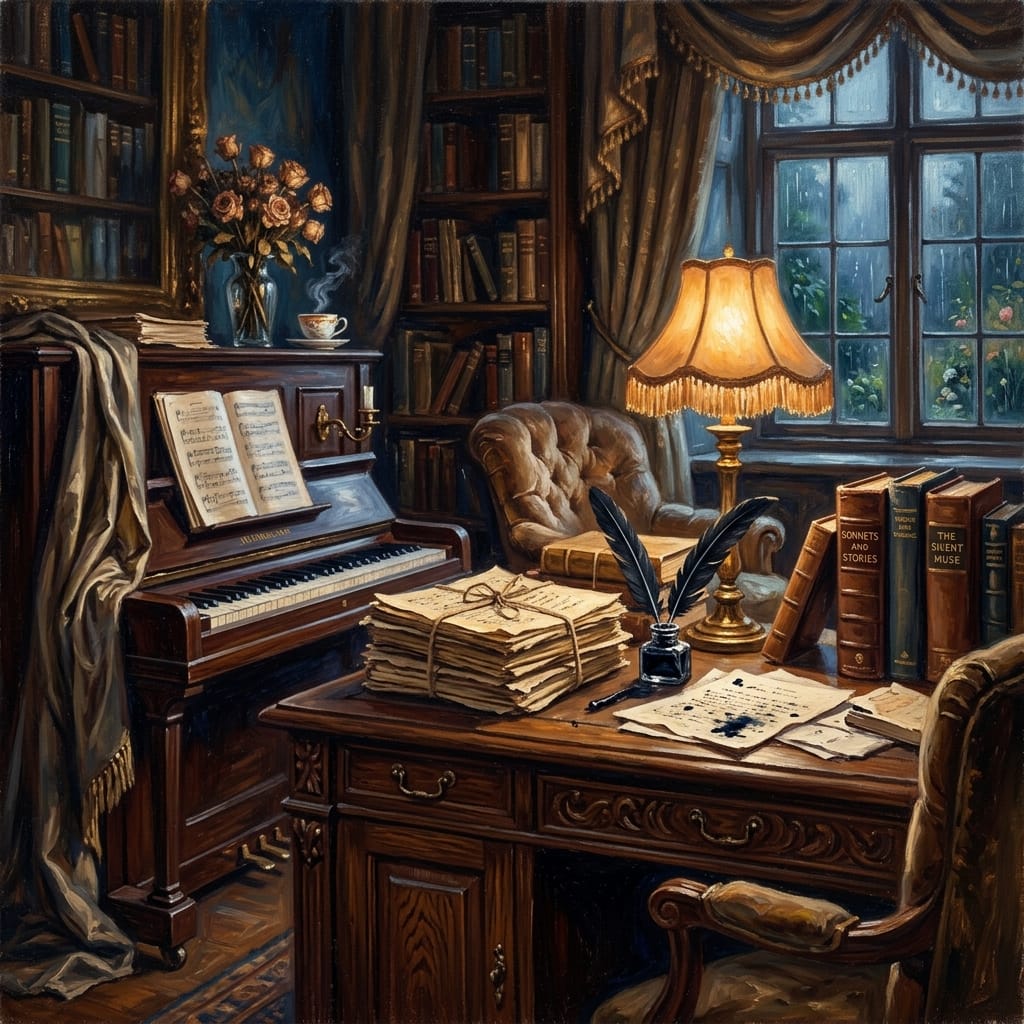
In 1836, Chopin met Aurore Dupin, a famous French novelist who used the pen name George Sand. She was a cigar-smoking, unconventional intellectual. Despite their differences, they embarked on a turbulent, decade-long relationship that proved to be the most productive period of Chopin's creative life.
From this period
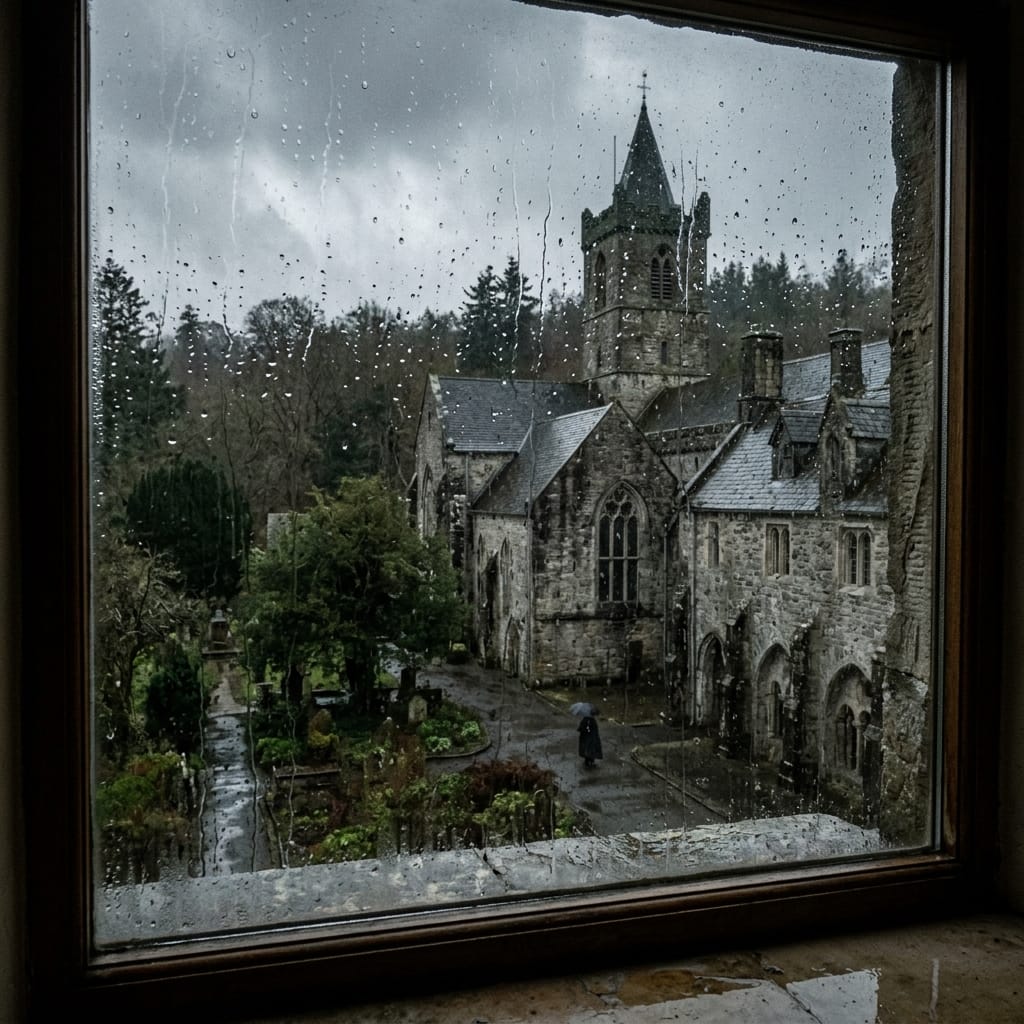
During the winter of 1838, Chopin and the writer George Sand traveled to Mallorca seeking a better climate for his failing health. Unfortunately, the weather was terrible, and they were forced to stay in an abandoned monastery. The 'Raindrop' Prelude features a persistent, repeating note that supposedly mimics the relentless dripping of rainwater he heard during his illness.
From this period

The 'Heroic' Polonaise is a testament to Chopin's mature, romantic style. Unlike his delicate salon pieces, this work is bold, demanding immense technical skill. It serves as a powerful expression of Polish identity and strength, reflecting his deep patriotism during his long exile in France.
From this period
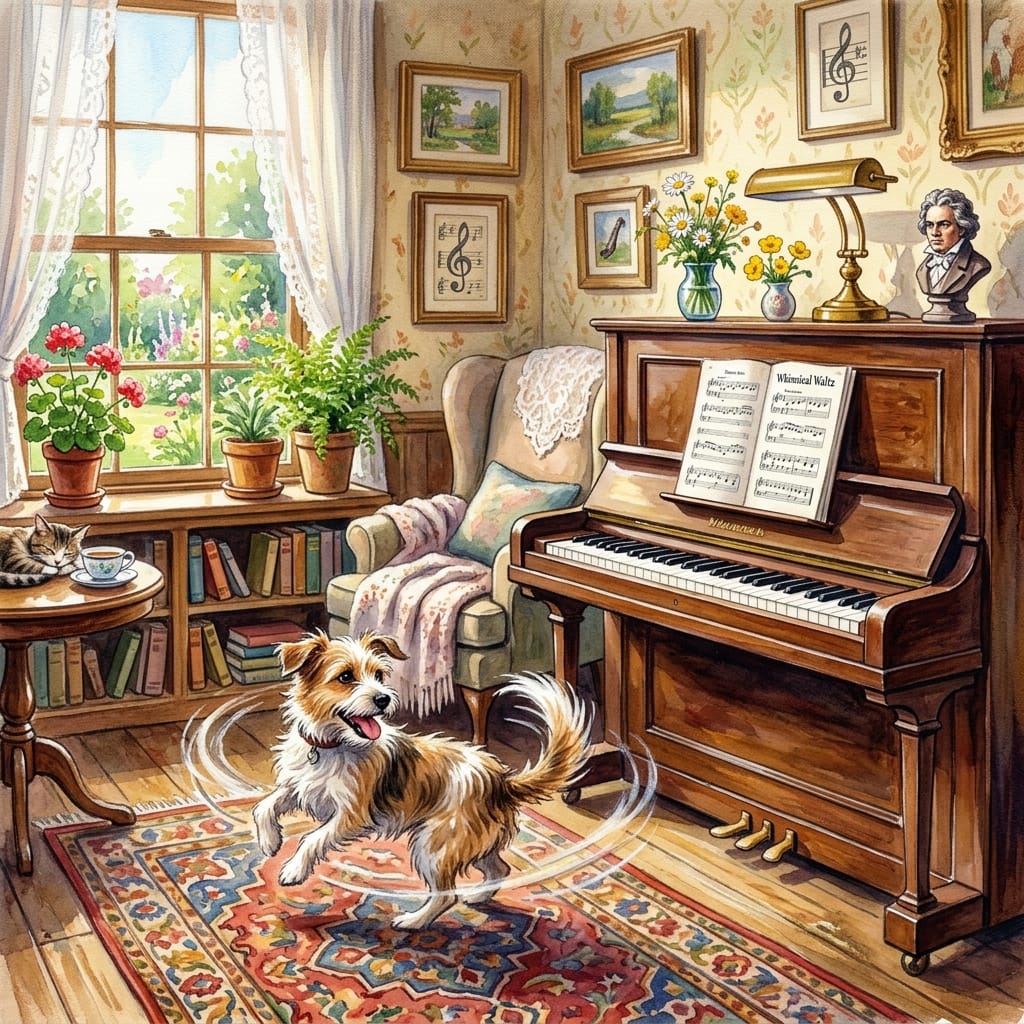
The 'Minute' Waltz is a brilliant, lighthearted piece composed near the end of Chopin's life. The nickname refers to its small, miniature form rather than meaning it must be played in exactly 60 seconds. It was famously inspired by George Sand's dog chasing its tail.
From this period
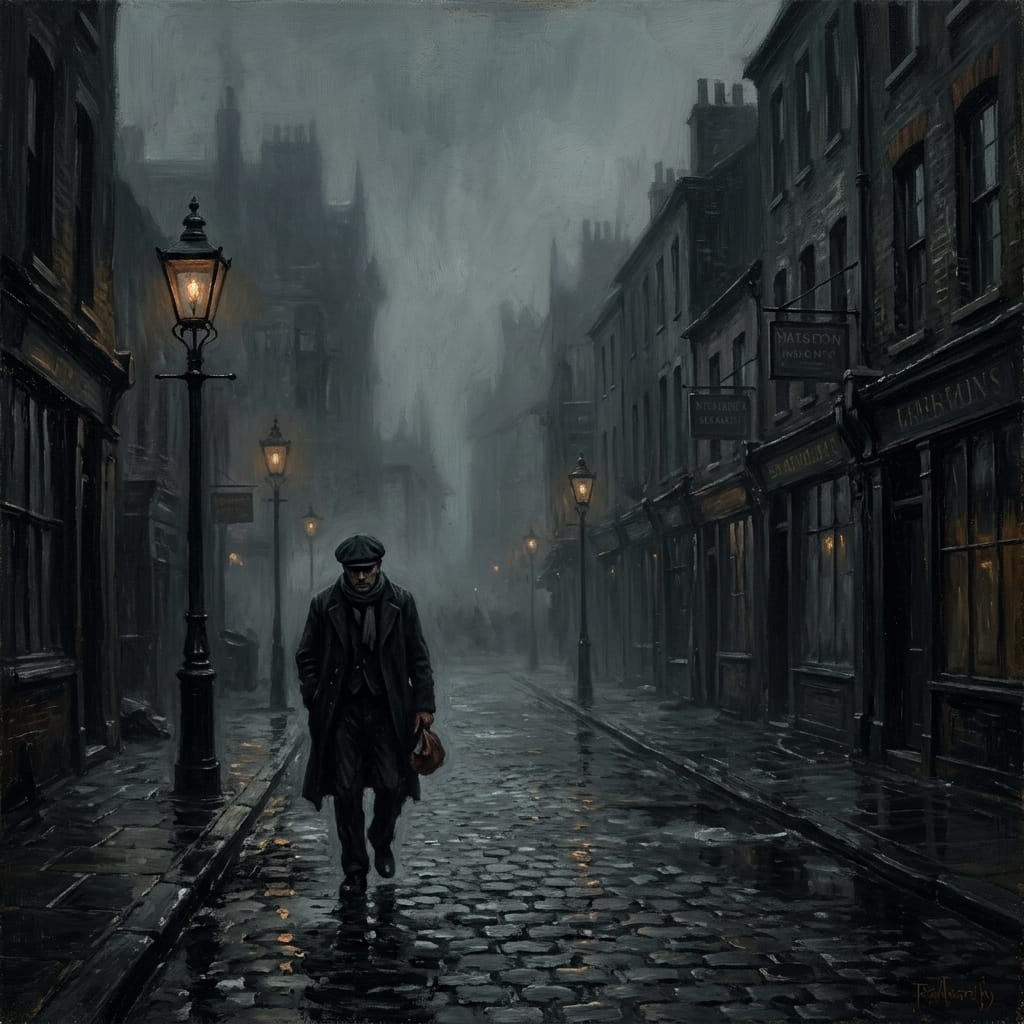
By 1848, Chopin's relationship with George Sand had ended, and his health was in rapid decline due to tuberculosis. Desperate for funds amidst the French Revolution of 1848, he embarked on a grueling tour of England and Scotland, playing for British high society despite severe exhaustion.
From this period
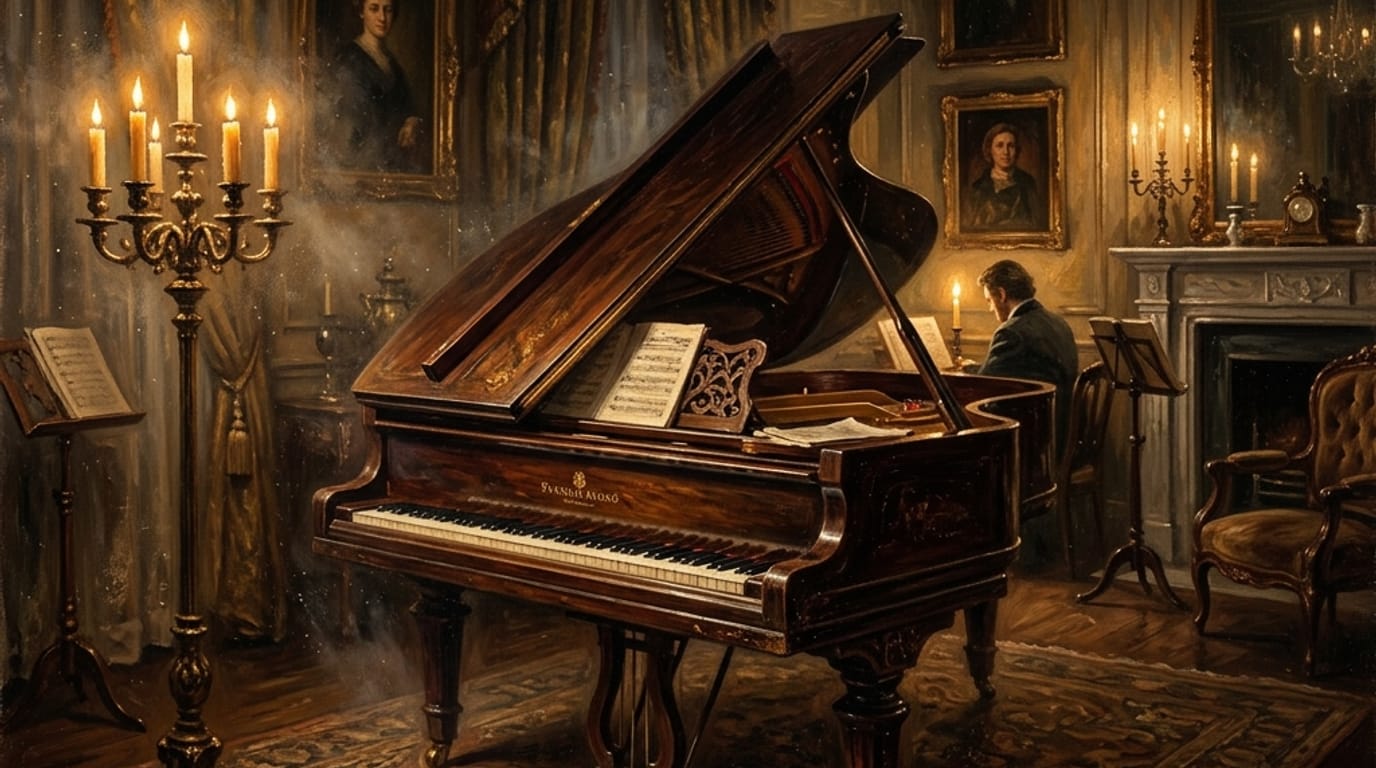
Chopin died in Paris in 1849 at the age of 39. His funeral was a massive event attended by thousands. While his body was buried in Paris at the famous Père Lachaise cemetery, his heart was smuggled back to Poland by his sister, fulfilling his final wish.
From this period
Curated Collections
The Masterpieces
Explore Chopin's greatest works, categorized by genre.
Nocturnes
Études
Preludes
Waltzes
Polonaises
Ballades
Mazurkas
Scherzos
Impromptus
Sonatas & Concertos
Every Known Work
The Complete Catalog
Every one of Chopin's 238 known compositions, organized by type. Tap a category to open it, or search for a piece by name.